From supermarket freezers being hacked, to your organization - are you protected?
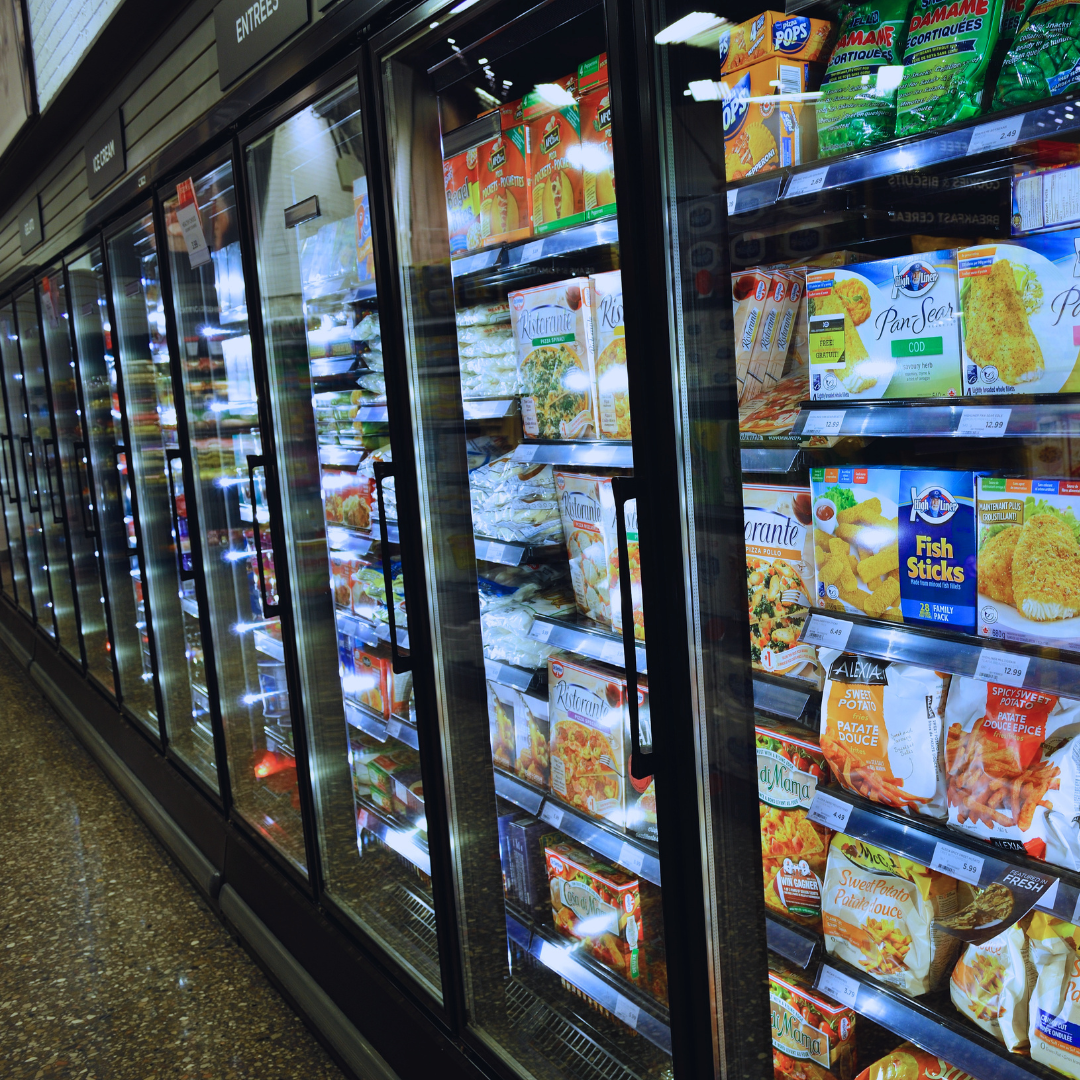
This week’s blog post is way beyond hackers causing food to go bad. We all heard recently about supermarkets in several European countries having to toss out thousands of frozen meals from their freezers. How did they do it? The hardware panels in the freezers have internet connected panels tied to one operating system. Those previously raised concerns about internet dependent hardware have been proven true - that hacker once again ruthlessly penetrated many supermarkets in Europe, notably their freezers, raising temperatures to as high as 104 degrees Fahrenheit (50 degrees Celsius). This prompted cybersecurity experts to urge improvements in the firmware these industries run on. While it's a a huge waste of food and money for these retailers to recoup, it's also a sign that hackers aren't solely focused on gaining data for ransom anymore. What was the motive behind all these attacks, and what does that mean for several other supermarkets or industries beyond that?
Both of these cyber incidents leave experts concerned about what other industries could be affected—especially when they use internet-connected devices. No one knows the reason behind why these hackers chose to target freezers and spoil food for millions, nor why causing damage is directed towards civilians who already struggle to afford food. But, according to AP News, older systems were the sole target, meaning whatever they first managed to hack into - it means older systems way more vulnerable. In fact, hackers noted that when they took control over the hardware, they mentioned their systems could use some updating - messages like these are becoming more frequent in the aftermath of cyberattacks.
Our previous blogs have not only urged updating and patching any security vulnerabilities in your organization’s network or device, but to also invest in newer security equipment or outsourcing to a cybersecurity team. With millions of records breached across facilities like schools, hospitals, airports, and retail, it's important to look into these breaches and learn that most rely or back up their data on older models, neglecting newer security. Then, they fail to have the proper team to investigate it further. And, nothing is worse than when hackers pour salt into the wound, leaving behind a message that this could’ve been avoided had the systems been up to date and properly secured. When attacks go from stealing credentials to leaving millions of dollars in food spoilage and worried retailers, what's next to fall victim to hackers' unpredictable schemes?
Sources:
If hackers can take control of a supermarket freezer, how vulnerable is other tech?
https://apnews.com/article/france-supermarkets-hacked-cybercrime-81c2d5721f4df77f601f71741ef7c291